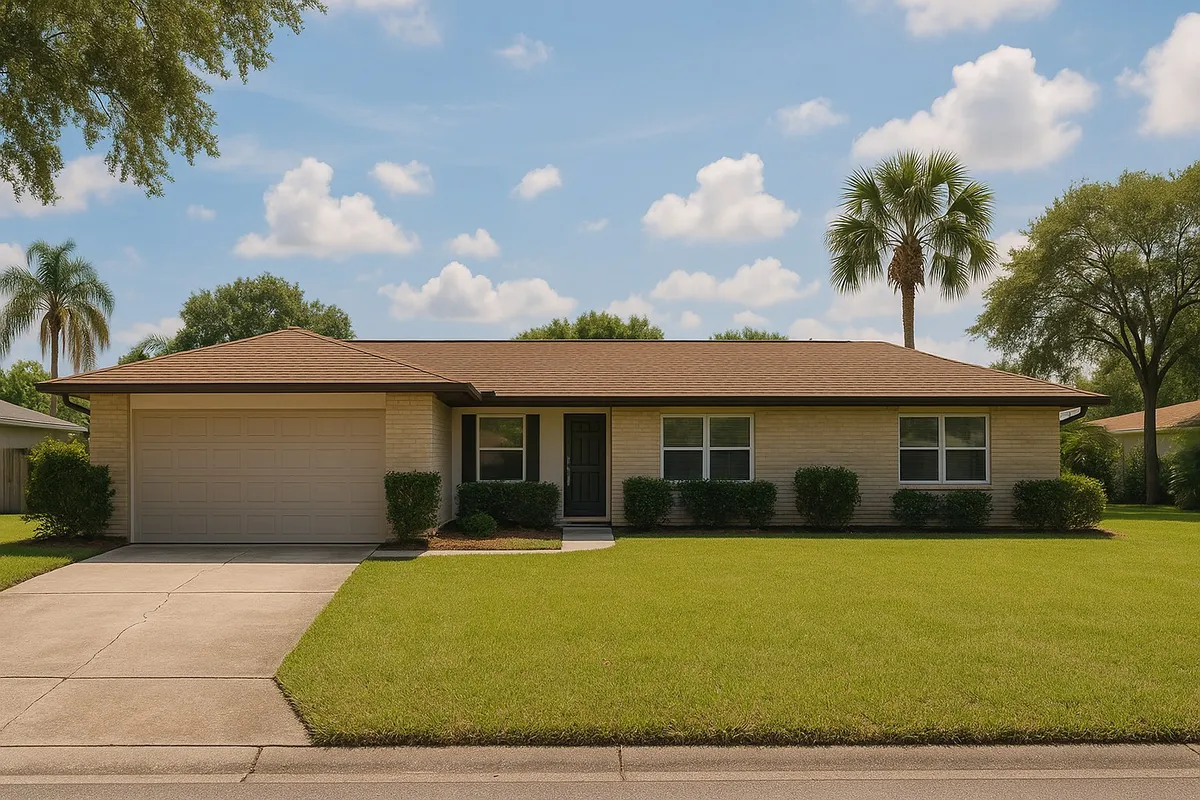
Selling a House With Foundation Problems in Central Florida
Foundation cracks and settlement are common conversation starters for Central Florida sellers — and they are not automatically a reason to keep living in limbo. If you own a house in Orlando or nearby and you are noticing cracks, sticky doors, or uneven floors, this guide explains what sellers often see, when to get a professional opinion, and how cash as-is sales compare with retail listings — as of 09-24-2026 — in plain English. It is not a structural report for a specific address, and it is not legal or engineering advice.
Your inspector, a licensed structural engineer (when needed), your contract, and the buyer you choose control the real outcome. Use this as a checklist of questions before you list, repair, or accept an offer.
What Central Florida sellers often notice first
Not every crack means the house is failing. Many slab and stucco homes in Central Florida show cosmetic settlement over time. Sellers commonly report:
- Hairline cracks in drywall, especially at corners of doors and windows
- Doors or windows that stick, rub, or no longer latch cleanly
- Floors that feel slightly uneven in one room or hallway
- Cracks in driveway, sidewalk, garage slab, or patio concrete
- Gaps where baseboards or cabinets meet the floor or wall
- Stucco or exterior concrete cracks after heavy rain seasons
Florida’s sandy soils, moisture swings, and older slab-on-grade construction can all play a role. Additions, enclosed porches, and pool decks sometimes settle differently than the original footprint. That does not mean every house needs a full foundation rebuild — it does mean guessing from a phone photo is a poor plan.
When to call a structural engineer (vs. waiting it out)
A general home inspector can flag concerns. A licensed structural engineer is the professional who typically evaluates whether movement is active, cosmetic, or needs repair design. Sellers often seek an engineer when they see:
- Cracks that keep widening over weeks or months
- Doors and windows that suddenly bind across multiple openings
- Visible slab displacement, heaving, or large diagonal cracks
- Concerns near pools, additions, or retaining walls
- A buyer or lender already requesting a structural letter
Getting facts early can save you from over-repairing for a retail punch list — or from under-disclosing something a careful buyer will find anyway. Keep copies of any reports; cash and retail buyers both ask for documentation.
Why retail listings struggle with foundation flags
On the MLS, foundation notes often collide with financed buyers. A retail path can still work, but sellers should expect friction:
- Inspection contingencies — buyers may renegotiate, demand credits, or walk after the inspection
- Lender and appraisal flags — some loans stall until repairs or engineer letters satisfy underwriting
- Repair credits and holdbacks — dollars leave the table late in the deal, after you have already paid listing costs
- Longer timeline — contractor bids, engineer visits, and re-inspections stretch closing dates
None of that means you must sell to a cash buyer. It does mean you should compare net proceeds and certainty, not just the top-line list price, when foundation work is on the table.
The cash as-is path: what to compare
A cash as-is offer is not magic, and it does not erase engineering reality. It can remove the buyer’s loan contingency and the long retail repair punch list. When you weigh offers, ask:
- Who inspects the property, and what happens if they find more settlement?
- Is the price truly as-is, or will there be credits, price cuts, or escrow holdbacks?
- What is the realistic closing timeline once title is clear?
- How does the cash net compare after you subtract listing commissions, carrying costs, and likely repair credits on a retail deal?
Swift Offers buys houses in Central Florida with a straightforward cash process. You still decide what is right for your situation — repair and list, negotiate credits, or sell as-is and move on.
Practical tips for Orlando-area sellers
- Document, don’t guess. Date-stamped photos of cracks over time help engineers and buyers.
- Ask about soil and drainage. Poor grading, clogged gutters, or irrigation near the slab can worsen settlement symptoms.
- Pools and additions matter. Transitions between original slab and later work are common attention points.
- Get written scopes before big repairs. A retail “fix everything” bid may not match what a cash buyer needs to close.
- Disclose what you know. Honesty protects you and keeps the closing room calmer.
Ready for a no-pressure cash offer?
If foundation concerns are slowing your sale — or you simply want a clear number without a contractor punch list — request a cash offer from Swift Offers. Call or text +1 321-415-3705, email [email protected], or visit https://swiftoffers.co/. Tell us what you are seeing at the house; we will walk through next steps in plain English.
Disclaimer: This article is general seller education for Central Florida as of 09-24-2026. It is not a structural inspection, engineering opinion, or legal advice for any specific property. Consult a licensed inspector, structural engineer, and appropriate professionals for your address and situation.
