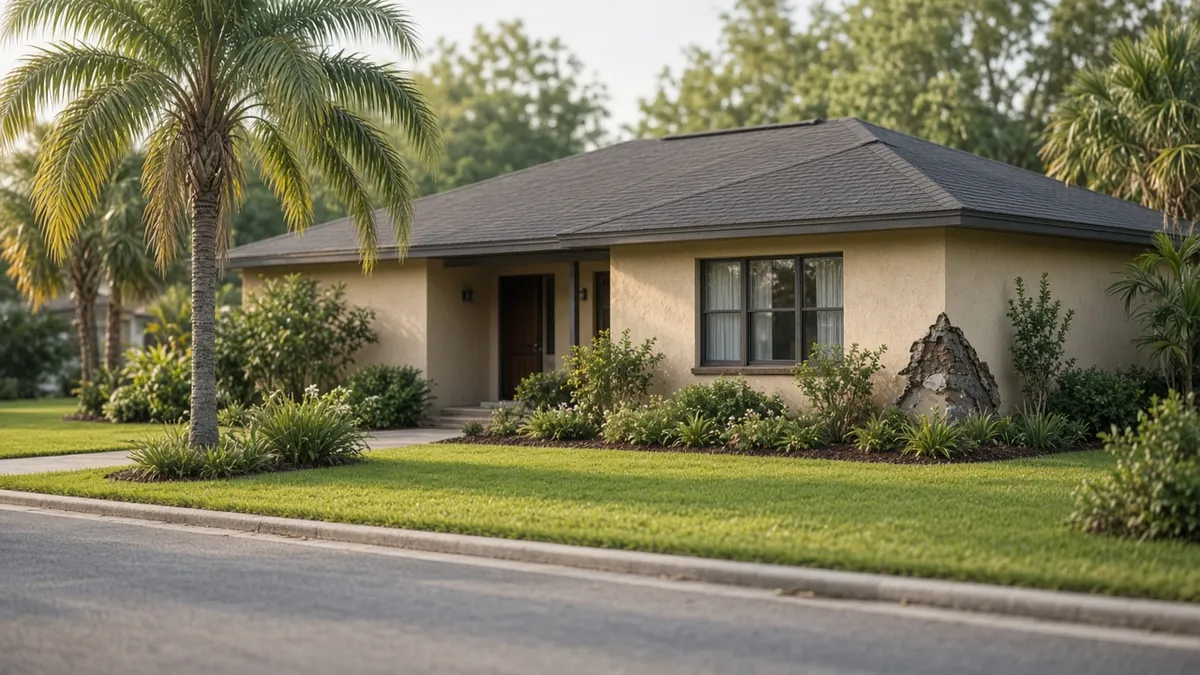
Selling a House With Termite Damage in Central Florida
Termite activity is a common reason Central Florida sellers pause a listing — or get stuck after an inspection. If you own a house in Orlando or nearby and you are dealing with termite damage, a wood-destroying organism report, or an old treatment that buyers keep asking about, this guide explains what sellers often see, what to document, and how a cash as-is sale compares with a retail listing — as of 10-01-2026 — in plain English. It is not a termite inspection for your address, and it is not legal, pest-control, or structural advice.
Your licensed inspector, a pest-control company, your contract, and the buyer you choose control the real outcome. Use this as a checklist of questions before you repair, treat, list, or accept an offer.
What Central Florida sellers often notice first
Florida’s climate keeps subterranean termites active most of the year. Sellers commonly report:
- Soft or hollow-sounding baseboards, door frames, or window sills
- Mud tubes along foundation walls, slab edges, or garage corners
- Frass (fine wood dust) near trim, cabinets, or attic access
- Bubbling paint, warped wood, or unexplained cracks in drywall near wood
- An old termite bond, treatment sticker, or WDO report from a prior sale
- A buyer’s inspector flagging “evidence of wood-destroying organisms”
Not every soft board is active infestation, and not every old bond means the house is clear today. Guessing from a phone photo is still a poor plan. Past damage that was never repaired can matter as much as current activity.
When to call a pro (vs. patching and hoping)
A general home inspector can flag wood damage. A licensed pest-control company and, when needed, a contractor or structural pro are who usually confirm activity, scope, and repair. Sellers often bring in help when they see:
- Live insects, fresh mud tubes, or damage that keeps spreading
- A failed or “further inspection recommended” WDO / termite report
- A buyer, lender, or insurer already asking for treatment, clearance, or repairs
- Damage near load-bearing wood, roof framing, or floor systems
- A vacant house that has not been monitored for years
Getting facts early can save you from over-repairing for a retail punch list — or from under-disclosing something a careful buyer will find anyway. Keep photos, invoices, bond paperwork, and any reports; cash and retail buyers both ask for documentation.
Why retail listings struggle with termite flags
On the MLS, termite and WDO notes often collide with financed buyers. A retail path can still work, but sellers should expect friction:
- Inspection contingencies — buyers may renegotiate, demand treatment credits, or walk after the WDO report
- Lender and appraisal flags — some loans stall until treatment letters, repairs, or clearance satisfy underwriting
- Repair credits and holdbacks — dollars leave the table late in the deal, after you have already paid listing costs
- Longer timeline — treatment, drying, wood repair, and re-inspection stretch closing dates
None of that means you must sell to a cash buyer. It does mean you should compare net proceeds and certainty, not just the top-line list price, when termite damage is on the table.
The cash as-is path: what to compare
A cash as-is offer is not magic, and it does not erase building science or disclosure rules. It can remove the buyer’s loan contingency and the long retail repair punch list. When you weigh offers, ask:
- Who inspects the property, and what happens if they find more wood damage?
- Is the price truly as-is, or will there be credits, price cuts, or escrow holdbacks?
- What is the realistic closing timeline once title is clear?
- How does the cash net compare after you subtract listing commissions, carrying costs, treatment bids, and likely repair credits on a retail deal?
Swift Offers buys houses in Central Florida with a straightforward cash process. You still decide what is right for your situation — treat and repair for retail, negotiate credits, or sell as-is and move on.
Practical tips for Orlando-area sellers
- Document, don’t guess. Date-stamped photos, WDO reports, and treatment invoices help everyone understand what was found and fixed.
- Know bond vs. clearance. An old sticker is not the same as a current clear report. Ask your pest company what paperwork buyers will actually accept.
- Fix the moisture story too. Leaks, poor drainage, and wood-to-soil contact often travel with termite risk in Central Florida.
- Get written scopes before big wood repairs. A retail “replace everything” bid may not match what a cash buyer needs to close.
- Disclose what you know. Honesty protects you and keeps the closing room calmer. Florida disclosure rules and your contract matter — talk to a Florida attorney when you are unsure.
Ready for a no-pressure cash offer?
If termite damage or a tough WDO report is slowing your sale — or you simply want a clear number without a contractor punch list — request a cash offer from Swift Offers. Call or text +1 321-415-3705, email [email protected], or visit https://swiftoffers.co/. Tell us what the report says; we will walk through next steps in plain English.
Disclaimer: This article is general seller education for Central Florida as of 10-01-2026. It is not a termite inspection, pest-control recommendation, structural opinion, insurance opinion, or legal advice for any specific property. Consult licensed inspectors, pest-control companies, contractors, and appropriate professionals for your address and situation.
